UCSD Blog

Sample Page

Author: admin

  • The Future of Scientific Advancement

    The Future of Scientific Advancement

    Scientific advancement has always been closely connected to human curiosity. From the earliest observations of the stars to today’s exploration of artificial intelligence, genetics, and space, people have continuously searched for better ways to understand the world. Science has helped humanity solve complex problems, improve health, develop new technologies, and Bet88 expand our understanding of the universe.

    The future of scientific advancement promises even greater possibilities. As researchers gain access to better tools, larger amounts of data, and more advanced technologies, discoveries may happen faster than ever before. However, the future of science will not only be about discovering what is possible. It will also require responsibility, collaboration, and careful consideration of how new knowledge affects society.

    Technology Will Accelerate Discovery

    Technology is already transforming scientific research.

    Advanced computers can process enormous amounts of information in a short time. Artificial intelligence can help researchers identify patterns and analyze complex data. Modern instruments allow scientists to observe details that were impossible to see in previous generations.

    These tools can speed up research and help scientists explore questions that once seemed too difficult to answer.

    As technology continues to improve, scientific discovery may become increasingly efficient and precise.

    Artificial Intelligence in Research

    Artificial intelligence is expected to play an important role in the future of science.

    AI systems can analyze large datasets, identify relationships, and assist researchers with complex tasks.

    In fields such as medicine, environmental science, and astronomy, these capabilities may help scientists discover patterns that would be difficult to identify manually.

    However, AI will not replace human curiosity and judgment.

    Researchers will still need to ask meaningful questions, evaluate results, and consider the ethical implications of their work.

    The most effective future may involve humans and intelligent technologies working together.

    Advances in Healthcare

    Scientific advancement could significantly transform healthcare.

    Researchers continue to explore new treatments, diagnostic tools, and methods of preventing disease.

    Advances in genetics may improve understanding of how certain conditions develop. Better data analysis may help doctors identify health risks earlier.

    Future medical technologies could also make treatments more personalized.

    Instead of relying on the same approach for everyone, healthcare may increasingly consider individual differences and specific needs.

    These developments could improve both the quality and efficiency of medical care.

    Exploring Space

    Human curiosity has always extended beyond Earth.

    Scientific advancement may allow future generations to explore space more deeply.

    Improved spacecraft, robotics, and observation technologies could help researchers study distant planets, moons, and other objects in the universe.

    Space research may also provide insights into the origins of our planet and the possibility of life elsewhere.

    While many questions remain unanswered, continued exploration could reveal discoveries that change our understanding of humanity’s place in the universe.

    Sustainable Scientific Solutions

    The future of science will also be closely connected to environmental challenges.

    Researchers are exploring renewable energy, cleaner transportation, sustainable materials, and more efficient ways to use natural resources.

    Scientific advancement can help societies reduce waste and respond to climate-related challenges.

    However, technology alone cannot solve every environmental problem.

    Scientific discoveries must be combined with responsible policies, public awareness, and changes in everyday behavior.

    The Growth of Biotechnology

    Biotechnology is another area with enormous potential.

    Researchers are studying living systems to develop new medicines, agricultural methods, and materials.

    Future developments could improve food production, support environmental restoration, and contribute to medical research.

    At the same time, biotechnology raises important ethical questions.

    As scientific capabilities increase, society must carefully consider how these technologies should be used.

    Collaboration Will Become More Important

    Many of the world’s biggest scientific challenges are too complex for one person or even one institution to solve alone.

    Future progress will depend on collaboration among researchers from different fields and countries.

    Scientists, engineers, healthcare professionals, educators, and policymakers may need to work together to address global challenges.

    Sharing knowledge can reduce duplication and accelerate discovery.

    International cooperation can also help ensure that scientific benefits reach more people.

    Science Needs Responsible Innovation

    Scientific progress creates opportunities, but it also creates responsibilities.

    New technologies can have unintended consequences if they are developed or used without careful consideration.

    Researchers must think about safety, fairness, privacy, and long-term effects.

    Public discussion is also important.

    Society should have opportunities to understand emerging technologies and participate in conversations about how they should be used.

    Responsible science means balancing curiosity with caution.

    Education Will Shape the Future

    The future of scientific advancement depends heavily on education.

    Young people need opportunities to explore science, technology, mathematics, and creative problem-solving.

    Education should encourage curiosity rather than simply focusing on memorization.

    Students who learn to ask questions, test ideas, and learn from mistakes may become the researchers and innovators of tomorrow.

    Supporting education is therefore an investment in future scientific progress.

    Conclusion

    The future of scientific advancement is full of possibilities. Artificial intelligence, biotechnology, space exploration, advanced healthcare, and sustainable technologies may transform the way people understand and interact with the world.

    Yet the most important part of future progress will not simply be the tools scientists create.

    It will be the questions they ask and the responsibility with which they use their discoveries.

    Science is most powerful when knowledge is combined with curiosity, collaboration, and ethical thinking.

    Future generations will face challenges that require new ideas and creative solutions. By investing in research, supporting education, sharing knowledge, and encouraging responsible innovation, society can create the conditions for meaningful progress.

    The future may bring discoveries that Bắn cá Bet88 are difficult to imagine today.

    What seems impossible now may become ordinary tomorrow.

    Scientific advancement will continue to expand the boundaries of human knowledge, but its greatest success will be measured by how effectively that knowledge improves lives and protects the world we share.

    The journey of discovery is far from over. In fact, humanity may be standing at the beginning of some of its most exciting scientific chapters yet.


  • Why Environmental Awareness Matters

    Why Environmental Awareness Matters

    The environment is more than the forests, rivers, oceans, and mountains that surround us. It is the foundation of everyday life. The air we breathe, the water we drink, the food we eat, and the natural resources we depend  on are all connected to the health of our planet. This is why environmental awareness matters. When people understand how their actions affect the world around them, they become better prepared to make responsible choices PG88 and contribute to a healthier future.

    Environmental awareness is not about expecting everyone to become an environmental expert. It is about developing an understanding of the relationship between human activities and nature. Even simple knowledge can encourage people to think more carefully about how they use resources and how their daily choices influence the environment.

    Understanding Our Impact

    Everyday activities can have environmental consequences. The energy we use, the products we buy, the transportation we choose, and the waste we create all contribute to a larger picture.

    One person’s actions may seem insignificant, but the combined impact of millions of people can be substantial. For example, wasting water occasionally may not feel important, but widespread water waste can put pressure on limited supplies.

    Environmental awareness helps people recognize these connections. Once we understand that our choices have consequences, we can begin making more thoughtful decisions.

    Protecting Natural Resources

    Natural resources are essential for human survival and development. Water, forests, soil, minerals, and energy resources support everything from agriculture to modern industry.

    However, these resources are not unlimited. Overuse and careless management can create serious problems for future generations.

    Awareness encourages people to use resources more responsibly. Simple habits such as avoiding unnecessary water waste, reducing energy consumption, and reusing materials can contribute to conservation.

    Businesses and governments also benefit from environmental awareness because it can encourage better resource management and long-term planning.

    Reducing Pollution

    Pollution can affect air, water, and land, creating challenges for both people and ecosystems. While large industries and governments have major responsibilities, individuals can also play a role in reducing pollution.

    Environmental awareness can encourage people to reduce unnecessary waste, dispose of materials properly, and choose more sustainable options when possible.

    For example, using reusable items instead of disposable products can help reduce the amount of waste sent to landfills. Choosing public transportation, walking, or cycling when practical can also reduce unnecessary emissions.

    These actions may seem small, but they become more meaningful when many people participate.

    Encouraging Responsible Consumption

    Modern life offers people countless products and services, but convenience can sometimes encourage unnecessary consumption. Environmental awareness helps people think about what they buy and how long products are likely to last.

    Instead of purchasing something simply because it is available, consumers can consider whether they truly need it, whether it can be reused, and whether a more responsible alternative exists.

    This does not mean people must stop enjoying modern conveniences. It simply encourages a more thoughtful approach to consumption.

    Environmental Education Starts Young

    Children who learn about nature and environmental responsibility from an early age may develop habits that stay with them throughout life.

    Schools can help students understand topics such as recycling, conservation, biodiversity, and responsible resource use. Outdoor activities can also help children develop a personal connection with nature.

    When young people understand why environmental protection matters, they are more likely to become responsible citizens who care about the future of their communities.

    Education can turn environmental awareness into practical action.

    Communities Can Create Greater Change

    Environmental awareness becomes even more powerful when communities work together. Local groups can organize clean-up activities, plant trees, promote recycling, or educate residents about conservation.

    Community action also creates a sense of shared responsibility. People can encourage one another to adopt better habits and support local environmental projects.

    When individuals work together, small efforts can produce visible results. A cleaner park, a healthier neighborhood, or a reduction in local waste can show people that positive change is possible.

    Awareness Supports Long-Term Thinking

    One of the most important benefits of environmental awareness is that it encourages people to think about the future.

    Many environmental problems develop gradually, which means their effects may not always be immediately visible. Awareness encourages individuals and organizations to consider the long-term consequences of their decisions.

    For example, protecting a forest today can help preserve biodiversity and natural resources for future generations. Using water carefully today can help maintain supplies for tomorrow.

    This long-term perspective is essential for building a sustainable world.

    Technology and Awareness Can Work Together

    Modern technology can help people understand environmental challenges more clearly. Sensors, satellites, data systems, and digital platforms allow researchers to monitor changes in ecosystems and track resource use.

    Technology can also help individuals measure their energy consumption or learn about environmental issues. However, technology is most effective when people understand why responsible action matters.

    Knowledge provides the motivation, while technology can provide useful tools for taking action.

    Conclusion

    Environmental awareness matters because the health of our planet is closely connected to the quality of human life. Understanding how our actions affect nature can encourage better decisions, responsible consumption, and stronger communities.

    Protecting the environment is not the responsibility of one person or organization. It requires cooperation between individuals, businesses, governments, schools, and communities.

    The good news is that awareness can begin with something simple: paying attention. When we become more conscious of the resources we use, the waste we create, and the choices we make, we can start changing our habits.

    A healthier future begins with informed decisions made today. By increasing environmental awareness and turning knowledge  into action, Nạp tiền PG88 we can help protect the natural world and ensure that future generations inherit a planet that is not only livable but full of possibility.

  • The Future of Online Businesses

    The Future of Online Businesses

    The digital world has transformed the way people shop, communicate, and do business. Over the past decade, online businesses have grown rapidly, allowing entrepreneurs and established companies to reach customers across the globe. As technology continues to evolve, the future of online businesses looks even more promising. From PG88 and automation to personalized shopping experiences and digital payments, businesses are finding new ways to improve efficiency and customer satisfaction. Companies that embrace innovation and adapt to changing consumer behavior will be better positioned to succeed in the competitive online marketplace.

    The Growth of E-Commerce

    E-commerce has become one of the fastest-growing sectors in the global economy. Consumers increasingly prefer the convenience of shopping online, comparing products, reading reviews, and making purchases from the comfort of their homes. This trend has encouraged businesses of all sizes to establish an online presence.

    Small businesses can now compete with larger companies by offering quality products, excellent customer service, and unique shopping experiences. As internet access continues to expand worldwide, the number of online shoppers is expected to keep increasing, creating more opportunities for business growth.

    The Role of Technology

    Technology is the driving force behind the future of online businesses. Innovations such as artificial intelligence, machine learning, cloud computing, and automation are helping companies improve operations and deliver better customer experiences.

    Artificial intelligence can recommend products based on customer preferences, while automated systems handle inventory management, customer support, and order processing. These technologies reduce costs, increase efficiency, and allow businesses to focus on innovation and long-term growth.

    As technology continues to advance, businesses that adopt modern digital tools will gain a significant competitive advantage.

    Personalized Customer Experiences

    Today’s customers expect personalized experiences when shopping online. Businesses are using customer data to understand buying habits, preferences, and interests, allowing them to recommend products and services tailored to individual needs.

    Personalized emails, customized product suggestions, and targeted promotions help businesses create stronger relationships with customers. These efforts improve customer satisfaction and encourage repeat purchases.

    Companies that make customers feel valued through personalized experiences are more likely to build long-term loyalty and trust.

    The Importance of Mobile Commerce

    Mobile devices have become an essential part of everyday life, making mobile commerce one of the most important trends shaping the future of online businesses. Consumers now browse products, compare prices, and complete purchases using smartphones and tablets.

    Businesses are investing in mobile-friendly websites and easy-to-use applications that provide smooth shopping experiences. Fast loading speeds, secure payment options, and simple navigation are essential for attracting and retaining mobile users.

    As mobile technology continues to improve, businesses that prioritize mobile commerce will reach a larger audience and increase sales opportunities.

    Digital Marketing Will Continue to Evolve

    Digital marketing remains one of the most effective ways to attract and engage customers. Search engine optimization, social media marketing, email campaigns, and content marketing help businesses build brand awareness and connect with their target audience.

    In the future, businesses will increasingly rely on data analytics to create more personalized and effective marketing campaigns. Understanding customer behavior allows companies to deliver relevant content that captures attention and builds trust.

    Businesses that consistently invest in digital marketing will remain visible in an increasingly crowded online marketplace.

    Building Customer Trust

    Trust is essential for every successful online business. Customers want secure payment systems, transparent pricing, reliable delivery, and responsive customer support before making purchasing decisions.

    Businesses that provide accurate product information, protect customer data, and respond quickly to questions create positive shopping experiences. Customer reviews and testimonials also play a significant role in building credibility and encouraging new customers to make purchases.

    A trustworthy reputation becomes one of the strongest competitive advantages in the digital marketplace.

    Adapting to Changing Consumer Expectations

    Consumer expectations continue to evolve as technology advances. Customers now expect faster deliveries, convenient return policies, personalized recommendations, and instant customer support.

    Businesses that actively listen to customer feedback can identify changing preferences and adjust their services accordingly. Flexibility and adaptability allow companies to remain competitive even as market conditions change.

    Organizations that continuously improve their customer experience are more likely to enjoy long-term success.

    Preparing for the Future

    The future of online businesses will be shaped by continuous innovation and adaptability. Entrepreneurs and companies must stay informed about emerging technologies, changing regulations, and evolving customer behaviors.

    Investing in employee training, improving cybersecurity, embracing automation, and exploring new digital opportunities will help businesses remain competitive. Those willing to learn, experiment, and evolve will be better prepared for future challenges and opportunities.

    Success in the online business world will depend on continuous improvement rather than relying on past achievements.

    Conclusion

    The future of online businesses is filled with exciting opportunities for growth, innovation, and Khuyến mãi PG88 . As technology continues to evolve, companies that embrace digital transformation, personalize customer experiences, and build trust will stand out from the competition. By staying adaptable, investing in modern technologies, and focusing on customer satisfaction, businesses can create sustainable success in the ever-changing digital landscape. The online marketplace will continue to expand, and those prepared to innovate and evolve will be well-positioned to thrive in the years ahead.

  • How Confidence Helps Overcome Challenges

    How Confidence Helps Overcome Challenges

    Life is full of challenges that test our patience, determination, and ability to adapt. Whether it is starting a new job, preparing for an important exam, launching a business, or dealing with unexpected setbacks, every person faces obstacles at different stages of life. While knowledge and experience are valuable, confidence  often becomes the deciding factor that helps people move forward instead of giving up. Confidence is not about believing you will never fail; it is about Hubetcom trusting yourself to learn, improve, and keep trying even when things become difficult. A confident mindset allows people to face uncertainty with courage, make better decisions, and turn challenges into valuable opportunities for growth.

    What Is Confidence?

    Confidence is the belief in your own abilities, skills, and judgment. It allows you to approach situations with a positive attitude and the willingness to take action. Confidence does not mean thinking you are perfect or that you always have the right answers. Instead, it means believing that you are capable of learning, adapting, and improving through experience.

    People with confidence understand that mistakes are part of the learning process. Instead of allowing failures to define them, they use every experience as a chance to become stronger and wiser.

    True confidence comes from consistent effort, self-awareness, and the willingness to keep growing.

    Confidence Encourages Action

    One of the greatest benefits of confidence is that it encourages people to take the first step. Many opportunities are missed because individuals hesitate or doubt their abilities. Confidence helps overcome that hesitation by replacing fear with determination.

    Whether applying for a new position, speaking in front of an audience, or learning a new skill, confidence motivates people to move forward despite uncertainty. Every action taken creates valuable experience, and every experience helps build even greater confidence.

    Success often begins with the courage to try.

    Facing Challenges with a Positive Mindset

    Challenges are a natural part of life, but the way people respond to them makes all the difference. Confident individuals approach problems with the belief that solutions can be found. Instead of focusing only on difficulties, they concentrate on what they can control and the actions they can take.

    This positive mindset reduces unnecessary fear and encourages creative problem-solving. Rather than seeing obstacles as barriers, confident people view them as opportunities to learn, improve, and become more resilient.

    Every challenge becomes a stepping stone toward greater personal growth.

    Building Resilience After Setbacks

    No one succeeds without experiencing failure at some point. Confident people understand that setbacks are temporary and do not define their future. They accept mistakes, learn from them, and continue moving forward with renewed determination.

    Resilience grows when people trust their ability to recover from difficult situations. Instead of giving up after one disappointment, they adjust their approach and keep working toward their goals.

    Confidence gives people the strength to keep going even when progress feels slow.

    Improving Decision-Making

    Confidence helps individuals make thoughtful decisions without becoming overwhelmed by self-doubt. While confident people still consider advice and evaluate different options, they trust their ability to make informed choices.

    This confidence allows them to act with greater clarity instead of constantly questioning themselves. Better decisions often lead to better opportunities, stronger relationships, and improved personal and professional growth.

    Trusting yourself is an important part of making meaningful progress.

    Strengthening Relationships

    Confidence also has a positive impact on relationships. People who believe in themselves often communicate more clearly, express their opinions respectfully, and listen to others with an open mind.

    Healthy confidence encourages honesty, empathy, and mutual respect. It also makes it easier to handle disagreements calmly because confident individuals do not feel the need to prove themselves constantly.

    Strong relationships are built on trust, and self-confidence helps create that foundation.

    Ways to Build Confidence

    Confidence develops through consistent practice rather than appearing overnight. Setting realistic goals, learning new skills, celebrating small achievements, and maintaining a positive attitude all contribute to stronger self-belief.

    Stepping outside your comfort zone is another powerful way to build confidence. Every new experience, even if it feels challenging at first, helps increase your abilities and reduces fear over time.

    Surrounding yourself with supportive people and focusing on progress instead of perfection also strengthens confidence.

    Confidence and Lifelong Growth

    Confidence is not something that remains unchanged throughout life. It grows as people continue learning, facing challenges, and gaining experience. Every success, every lesson, and every obstacle overcome adds another layer of self-belief.

    People who commit to lifelong learning and personal development naturally become more confident because they trust their ability to adapt to change and solve new problems.

    Confidence becomes stronger each time you choose growth over fear.

    Conclusion

    Confidence is one of the most valuable qualities a person can develop because it provides the courage to face challenges with determination and hope. It encourages action, strengthens resilience, improves decision-making, and supports healthier relationships. While confidence does not eliminate obstacles, it changes the way people respond to them, making even the most difficult situations easier to manage. By believing in your abilities, learning from setbacks, and continuing to grow every day, you can build lasting confidence that supports success in every area of life. With patience, persistence, and self-belief, challenges become opportunities, and every step forward brings you closer to achieving your goals.

    In today’s fast-changing world, learning no longer ends when we leave school or earn a degree. Every day brings new technologies, fresh ideas, and different ways of working and living. To keep up with these changes, continuous learning has become more important than ever. It is not just about gaining professional skills; it is about growing as a person, staying curious, and becoming better prepared for life’s opportunities and challenges.

    Why Learning Should Never Stop

    Many people think education is limited to classrooms, but true learning continues throughout life. Every experience, conversation, book, or challenge teaches us something valuable. Whether someone wants to advance in their career, improve personal relationships, or simply understand the world better, learning plays a key role.

    Continuous learning helps individuals remain adaptable. As industries evolve and new tools replace old methods, those who are willing to learn are more likely to succeed. Instead of fearing change, lifelong learners see it as an opportunity to grow.

    Keeping Up with a Changing World

    Technology has transformed nearly every aspect of daily life. From online banking and digital communication to artificial intelligence and remote work, change happens quickly. People who regularly update their knowledge find it easier to adapt to these developments.

    Learning also helps individuals make informed decisions. Understanding current trends, digital tools, and reliable information allows people to navigate modern life with greater confidence and avoid misinformation.

    Career Growth Through Learning

    Employers increasingly value people who are eager to improve their skills. Continuous learning demonstrates dedication, flexibility, and a willingness to take on new responsibilities. Whether through online courses, workshops, certifications, or self-study, gaining new knowledge can open doors to promotions, career changes, and leadership opportunities.

    In many professions, staying updated is essential. Healthcare workers, teachers, engineers, marketers, and countless other professionals need to learn continuously to remain effective in their roles. Even entrepreneurs benefit from learning about business strategies, customer behavior, and emerging technologies.

    Building Confidence and Problem-Solving Skills

    Learning new things boosts confidence. Every new skill mastered becomes proof that personal growth is possible. This confidence encourages people to face unfamiliar situations with a positive mindset rather than fear.

    Continuous learning also strengthens critical thinking and problem-solving abilities. By exploring different ideas and perspectives, individuals become better equipped to analyze situations, make thoughtful decisions, and develop creative solutions to everyday challenges.

    Personal Growth Beyond the Workplace

    The benefits of learning extend far beyond career success. Reading books, learning a new language, exploring history, practicing creative hobbies, or studying different cultures enriches life in meaningful ways. These activities broaden perspectives, improve communication skills, and encourage empathy toward others.

    Learning can also improve mental well-being. Engaging the brain with new knowledge keeps the mind active, reduces boredom, and provides a sense of accomplishment. Many people find joy in discovering new interests that become lifelong passions.

    Easy Ways to Make Learning a Daily Habit

    Continuous learning does not require spending hours in a classroom. Small daily habits can make a significant difference over time. Reading for just twenty minutes a day, listening to educational podcasts during a commute, watching informative videos, or taking short online courses are all effective ways to learn.

    Asking questions, seeking feedback, and staying curious are equally important. Every conversation with an experienced colleague, mentor, or friend can become a valuable learning opportunity. The key is maintaining an open mind and embracing new experiences.

    Overcoming Common Barriers

    Many people believe they are too busy or too old to learn something new. However, learning does not have an age limit. Even small amounts of consistent effort can lead to meaningful progress. Setting realistic goals and focusing on one skill at a time makes the process enjoyable rather than overwhelming.

    Mistakes should also be viewed as part of learning. Every setback provides valuable lessons that help build resilience and improve future performance.

    Conclusion

    Continuous Đăng nhập Hubet learning is one of the most valuable investments  anyone can make. It empowers people to adapt to change, achieve professional success, build confidence, and enjoy personal growth throughout their lives. In a world that never stops evolving, the willingness to keep learning becomes a powerful advantage. By staying curious and embracing new knowledge every day, individuals can unlock their full potential and create a more fulfilling, successful, and meaningful future.


  • How Education Creates New Opportunities

    How Education Creates New Opportunities

    Education O8 has always been one of the strongest foundations for personal and social progress. It equips people with knowledge, develops practical skills, and builds the confidence needed to face life’s challenges. In today’s rapidly changing world, education is more than just earning good grades or obtaining a degree. It is a lifelong journey that opens doors to new opportunities, improves decision-making, and helps individuals achieve their goals. Whether someone wants to build a successful career, start a business, or contribute positively to society, education plays a vital role in making those ambitions possible.

    Education Builds Knowledge and Skills

    The primary purpose of education is to provide people with the knowledge and skills they need to understand the world around them. Schools, colleges, universities, and online learning platforms teach subjects that develop critical thinking, communication, creativity, and problem-solving abilities.

    Beyond academic learning, education also teaches practical life skills such as teamwork, time management, leadership, and responsibility. These skills are valuable in everyday life and help individuals become more capable of handling personal and professional challenges.

    Knowledge gained through education serves as a strong foundation for making informed decisions and adapting to new situations throughout life.

    Creating Better Career Opportunities

    One of the biggest advantages of education is its ability to improve career prospects. Employers often look for individuals who possess the right qualifications, technical expertise, and willingness to learn. A strong educational background increases the chances of securing better jobs, earning higher salaries, and advancing professionally.

    However, education is no longer limited to traditional classrooms. Online courses, professional certifications, workshops, and self-learning opportunities allow people to continuously upgrade their skills. In today’s competitive job market, lifelong learning has become essential for career growth and long-term success.

    Individuals who continue learning are often better prepared to adapt to changing industries and emerging technologies.

    Encouraging Personal Growth

    Education is not only about professional success—it also contributes to personal development. Learning new subjects broadens perspectives, encourages curiosity, and helps people understand different cultures, ideas, and viewpoints.

    As individuals gain knowledge, they become more confident in expressing their opinions and making thoughtful decisions. Education also teaches patience, discipline, and perseverance, qualities that contribute to personal growth and stronger character.

    Every learning experience, whether formal or informal, adds value to a person’s life and helps shape a positive outlook toward the future.

    Developing Critical Thinking

    Modern education encourages people to think critically instead of simply memorizing information. Students learn how to analyze situations, evaluate evidence, and solve problems logically. These abilities are useful in every aspect of life, from making financial decisions to addressing workplace challenges.

    Critical thinking also helps individuals distinguish reliable information from misinformation, an increasingly important skill in today’s digital age. By asking questions and exploring different perspectives, educated individuals become more capable of making informed choices.

    Supporting Innovation and Creativity

    Education inspires creativity by encouraging people to explore ideas and develop innovative solutions. Many of the world’s greatest inventions, scientific discoveries, and technological advancements began with individuals who were eager to learn and think differently.

    Creative thinking is valuable in every profession, whether someone is designing products, solving business challenges, teaching students, or creating works of art. Education provides the knowledge and confidence needed to transform ideas into meaningful achievements.

    Innovation flourishes when people are encouraged to remain curious and continuously seek better ways of doing things.

    Strengthening Communities

    Education benefits not only individuals but also entire communities. Educated citizens are more likely to participate in community development, support social initiatives, and contribute to economic growth. They understand the importance of responsibility, cooperation, and respect for others.

    Communities with higher education levels often experience improved healthcare, stronger local economies, and greater social stability. Education empowers people to make positive contributions that benefit future generations.

    Sharing knowledge through mentoring, volunteering, and teaching also creates a culture of learning that strengthens society as a whole.

    Adapting to a Changing World

    Technology and global industries continue to evolve at an incredible pace. New careers emerge while existing professions require updated skills and knowledge. Education helps people remain adaptable by encouraging continuous learning and professional development.

    Those who embrace lifelong education are more confident when facing change because they understand that learning never truly ends. Whether learning digital skills, improving communication abilities, or exploring new industries, education provides the tools needed to remain competitive and resilient.

    This adaptability allows individuals to seize opportunities rather than fear change.

    Building a Brighter Future

    Education empowers people to dream bigger and achieve goals that once seemed impossible. It encourages self-belief, independence, and determination while providing the resources needed to overcome obstacles. Every lesson learned becomes a stepping stone toward greater success and personal fulfillment.

    When individuals invest in education, they also invest in their future. The knowledge and skills gained today often create opportunities that continue to benefit them for years to come.

    Conclusion

    Education is one of the most powerful tools for creating new opportunities and improving lives. It builds knowledge, strengthens critical thinking, supports career growth, encourages creativity, and prepares individuals to succeed in an ever-changing world. Beyond professional achievements, education fosters personal development and empowers people to make meaningful contributions to their communities. By embracing O8 thể thao lifelong learning and remaining curious, anyone can unlock new possibilities, overcome challenges with confidence, and build a brighter future filled with growth, success, and endless opportunities.

  • Types of Heavy Machinery Used in Construction

    Types of Heavy Machinery Used in Construction

    Heavy machinery plays a vital role X88com in the construction industry. From preparing land and digging foundations to lifting materials and paving roads, construction equipment helps contractors complete projects safely, efficiently, and on time. Whether it is a residential building, commercial development, road project, bridge, or large infrastructure site, choosing the right heavy machinery can improve productivity and reduce labor costs.

    In this article, we explore the main types of heavy machinery used in construction and explain how each machine is commonly used on job sites.

    Excavators

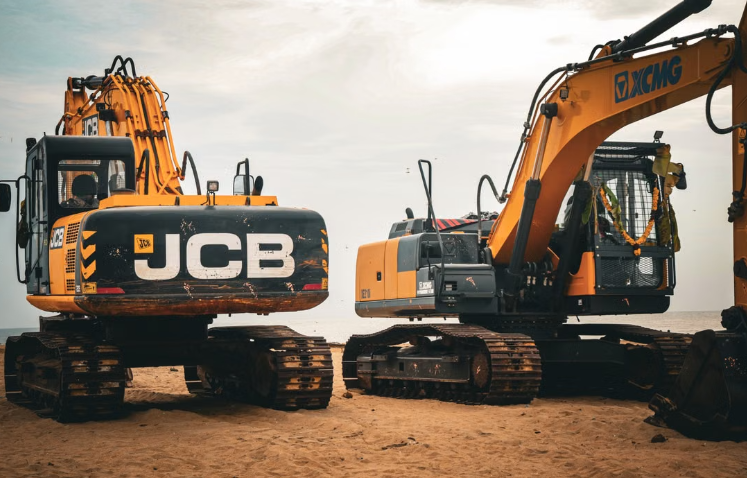
    Excavators are among the most widely used types of heavy construction equipment. They feature a long boom, a digging arm, a bucket, and a rotating cab mounted on tracks or wheels. Their main purpose is digging, but they can also be used for demolition, trenching, material handling, grading, and lifting.

    Excavators are commonly used to dig foundations, remove soil, clear debris, and prepare construction sites. With the right attachments, such as hydraulic breakers, grapples, or augers, excavators become even more versatile. They are available in different sizes, from compact mini excavators for small projects to large excavators for mining and major infrastructure work.

    Bulldozers

    Bulldozers are powerful machines designed for pushing large quantities of soil, sand, rubble, and other materials. They are equipped with a large metal blade at the front and usually run on tracks, giving them excellent stability and traction on rough terrain.

    In construction, bulldozers are often used for land clearing, grading, road building, and site preparation. Their strong engines and durable undercarriage make them ideal for heavy-duty earthmoving tasks. Bulldozers can also be fitted with rear attachments, such as rippers, to break up hard soil or rock.

    Wheel Loaders

    Wheel loaders are used to move and load materials such as soil, gravel, sand, debris, and construction waste. They have a large front-mounted bucket and operate on wheels, allowing them to move quickly around a construction site.

    Contractors use wheel loaders for loading dump trucks, stockpiling materials, clearing sites, and transporting heavy loads over short distances. They come in various sizes, from compact loaders for landscaping to large loaders for quarrying and major construction projects.

    Cranes

    Cranes are essential heavy machinery for lifting and moving heavy materials vertically and horizontally. They are used on projects where materials must be lifted to great heights or placed with precision. Common construction uses include lifting steel beams, concrete panels, roofing materials, and heavy equipment.

    There are several types of cranes, including tower cranes, mobile cranes, crawler cranes, and rough-terrain cranes. Tower cranes are often seen on high-rise building sites, while mobile cranes are used for projects that require flexibility and movement between locations. Cranes require skilled operators and strict safety procedures due to the risks involved in lifting heavy loads.

    Dump Trucks

    Dump trucks are used to transport loose materials such as soil, sand, gravel, demolition waste, and asphalt. They feature an open-box bed that can be lifted hydraulically to unload materials quickly.

    On construction sites, dump trucks support excavation, road construction, landscaping, and demolition projects. They are available in different types, including standard dump trucks, articulated dump trucks, and off-road dump trucks. Articulated dump trucks are particularly useful on rough terrain because they offer better maneuverability and traction.

    Motor Graders

    Motor graders are used to create a smooth, flat surface during road construction and site preparation. They have a long blade positioned between the front and rear wheels, which allows operators to precisely grade and level soil, gravel, or other materials.

    These machines are commonly used in building roads, highways, parking lots, and airport runways. Motor graders can also be used for maintaining dirt roads, spreading materials, and creating drainage slopes. Their precision makes them essential for projects that require accurate surface finishing.

    Skid Steer Loaders

    Skid steer loaders are compact, highly maneuverable machines used for digging, loading, grading, and material handling. They are popular on construction sites because they can operate in confined areas where larger equipment may not fit.

    One of the biggest advantages of skid steer loaders is their ability to use many attachments. Buckets, forks, trenchers, sweepers, augers, and hydraulic breakers can all be attached to increase their usefulness. Skid steers are commonly used in residential construction, landscaping, demolition, and road maintenance.

    Pavers

    Pavers, also known as asphalt pavers, are used in road construction to lay asphalt evenly over a prepared surface. They receive asphalt from a dump truck and spread it at a controlled thickness and width. After the asphalt is placed, rollers compact it to create a smooth and durable surface.

    Pavers are commonly used for highways, streets, parking lots, airport runways, and driveways. Their accuracy and efficiency make them important for producing high-quality paved surfaces.

    Choosing the Right Heavy Machinery for Construction

    Selecting the right construction equipment depends on the type of project, site conditions, budget, and required tasks. For example, excavators are ideal for digging, bulldozers are best for pushing and grading, and cranes are necessary for lifting heavy materials. Using the correct machinery improves efficiency, reduces downtime, and enhances safety.

    Contractors should also consider equipment size, fuel efficiency, maintenance needs, operator training, and attachment options. In some cases, renting heavy machinery may be more cost-effective than purchasing, especially for short-term projects or specialized tasks.

    Conclusion

    Heavy machinery is the backbone of modern construction. Machines such as excavators, bulldozers, cranes, loaders, dump trucks, graders, compactors, and pavers help complete complex tasks faster and more accurately than manual labor alone. Understanding the different types of heavy machinery used in construction allows contractors, builders, and project managers to choose the best equipment for each job.

    By using Tải App X88 the right heavy construction equipment, companies can increase productivity, improve safety, and deliver successful projects on schedule.

  • Essential Tools Every Gardener Needs

    Essential Tools Every Gardener Needs

    Gardening is one of the most rewarding hobbies you can enjoy at home. Whether you are growing colorful flowers, fresh vegetables, fragrant herbs, or maintaining a beautiful lawn, having the right gardening tools makes every task easier, safer, and more enjoyable. The best tools help you dig, plant, prune, water, weed, and care for your garden with Ga6789com  confidence.

    If you are a beginner gardener or looking to upgrade your garden shed, this guide covers the essential tools every gardener needs. With the right equipment, you can save time, reduce effort, and create a healthier, more productive garden.

    1. Gardening Gloves

    A good pair of gardening gloves is one of the most important tools for any gardener. Gloves protect your hands from thorns, sharp branches, splinters, blisters, insect bites, and dirt. They also give you a better grip when handling tools, pots, soil, and plants.

    Choose gloves that are durable but flexible. Lightweight gloves are ideal for planting and weeding, while thicker gloves are better for pruning roses, handling rough materials, or working with thorny shrubs. Waterproof gloves can also be helpful when working in wet soil.

    2. Hand Trowel

    A hand trowel is a small but powerful gardening tool used for digging, planting, transplanting, and moving soil. It is especially useful for planting flowers, herbs, small vegetables, and bulbs.

    When choosing a hand trowel, look for one with a comfortable handle and a strong metal blade. Stainless steel or aluminum trowels are popular because they resist rust and are easy to clean. A sturdy trowel can last for many years with proper care.

    3. Pruning Shears

    Pruning shears, also called secateurs or hand pruners, are essential for trimming plants, cutting stems, removing dead flowers, and shaping shrubs. Regular pruning encourages healthy growth and improves the appearance of your garden.

    There are two main types of pruning shears: bypass pruners and anvil pruners. Bypass pruners work like scissors and are best for live stems and green branches. Anvil pruners have one straight blade that cuts against a flat surface and are better for dry or dead wood. For most gardeners, bypass pruners are the most versatile choice.

    4. Garden Fork

    A garden fork is useful for loosening compacted soil, turning compost, mixing in organic matter, and harvesting root vegetables such as potatoes and carrots. Unlike a shovel, a fork can break up soil without slicing through roots as easily.

    A strong garden fork is especially helpful if you have clay soil or heavy ground. Look for a fork with sturdy tines and a comfortable handle. Steel forks are durable and reliable for tough garden work.

    5. Spade or Shovel

    Every gardener needs a quality spade or shovel. These tools are used for digging holes, edging garden beds, moving soil, planting trees or shrubs, and removing weeds with deep roots.

    A spade typically has a flat, sharp blade and is excellent for edging and precise digging. A shovel usually has a curved blade and is better for scooping and moving loose materials like compost, mulch, and soil. If you have space and budget, owning both can be very useful.

    6. Watering Can or Garden Hose

    Proper watering is essential for healthy plants. A watering can is perfect for small gardens, container plants, seedlings, and delicate flowers. It allows you to control the amount of water and avoid damaging young plants.

    For larger gardens, a garden hose is more efficient. Choose a hose that is long enough to reach all areas of your garden. A spray nozzle with adjustable settings is also helpful, allowing you to switch between a gentle mist for seedlings and a stronger stream for cleaning tools or watering established plants.

    7. Garden Rake

    A garden rake is another essential tool for maintaining your outdoor space. It helps level soil, remove debris, spread mulch, and prepare garden beds for planting. A sturdy metal rake is best for soil work, while a lightweight leaf rake is ideal for gathering fallen leaves, grass clippings, and small twigs.

    Using a rake regularly keeps your garden neat and helps improve soil preparation before planting seeds or seedlings.

    8. Weeder

    Weeds compete with your plants for nutrients, water, sunlight, and space. A weeder helps remove unwanted plants from the roots, preventing them from growing back quickly.

    Hand weeders are excellent for small beds, raised gardens, and tight spaces. Long-handled weeders are ideal if you want to reduce bending and protect your back. Removing weeds regularly is one of the best ways to keep your garden healthy and attractive.

    9. Wheelbarrow or Garden Cart

    A wheelbarrow or garden cart is extremely useful for transporting soil, compost, mulch, plants, tools, stones, and garden waste. Instead of carrying heavy loads by hand, you can move materials more easily and reduce strain on your body.

    A traditional wheelbarrow is great for uneven ground and heavy-duty tasks. A garden cart with two or four wheels can be more stable and easier to pull, especially for beginners or gardeners with limited strength.

    10. Hoe

    A garden hoe is useful for breaking up soil, shaping rows, removing weeds, and preparing planting areas. It is especially valuable in vegetable gardens, where regular soil cultivation helps keep weeds under control.

    Different types of hoes are available, including draw hoes, stirrup hoes, and Dutch hoes. A basic garden hoe is a good starting point for most gardeners. Choose one with a comfortable handle and a strong blade.

    11. Garden Kneeler or Knee Pads

    Gardening often involves kneeling while planting, weeding, or pruning low-growing plants. A garden kneeler or knee pads can make these tasks much more comfortable. They protect your knees from hard ground, rocks, moisture, and pressure.

    Some garden kneelers also double as small benches, making it easier to sit while working. This is especially helpful for long gardening sessions.

    12. Tool Storage and Maintenance Supplies

    Keeping your gardening tools clean and organized helps them last longer. A tool shed, storage rack, bucket, or garden bag can keep everything in one place. You should also have basic maintenance supplies, such as a cleaning brush, sharpening tool, and oil for metal parts.

    After each use, remove soil from your tools and dry them before storing. Sharpen blades regularly and oil wooden handles to prevent cracking. Proper tool care saves money and improves performance.

    Final Thoughts

    The right gardening tools can make a big difference in how easy and enjoyable your garden work feels. Essential gardening tools such as gloves, a hand trowel, pruning shears, a garden fork, spade, watering can, rake, weeder, wheelbarrow, hoe, and knee pads will help you handle most gardening tasks with confidence.

    You do not need to buy every tool at once. Start with the basics and add more  Rút tiền Ga6789 as your garden grows. By investing in quality tools and taking good care of them, you will be ready to create a beautiful, healthy, and thriving garden season after season.

  • Hello world!

    Welcome to WordPress. This is your first post. Edit or delete it, then start writing!