Essential Tools Every Gardener Needs
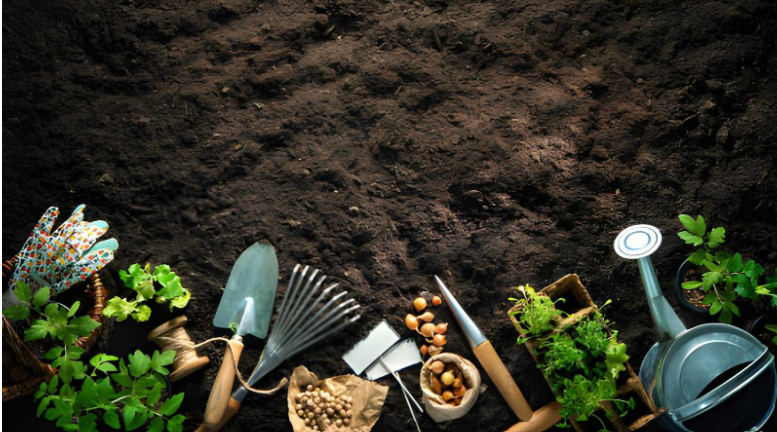
Gardening is one of the most rewarding hobbies you can enjoy at home. Whether you are growing colorful flowers, fresh vegetables, fragrant herbs, or maintaining a beautiful lawn, having the right gardening tools makes every task easier, safer, and more enjoyable. The best tools help you dig, plant, prune, water, weed, and care for your garden with Ga6789com confidence.
If you are a beginner gardener or looking to upgrade your garden shed, this guide covers the essential tools every gardener needs. With the right equipment, you can save time, reduce effort, and create a healthier, more productive garden.
1. Gardening Gloves
A good pair of gardening gloves is one of the most important tools for any gardener. Gloves protect your hands from thorns, sharp branches, splinters, blisters, insect bites, and dirt. They also give you a better grip when handling tools, pots, soil, and plants.
Choose gloves that are durable but flexible. Lightweight gloves are ideal for planting and weeding, while thicker gloves are better for pruning roses, handling rough materials, or working with thorny shrubs. Waterproof gloves can also be helpful when working in wet soil.
2. Hand Trowel
A hand trowel is a small but powerful gardening tool used for digging, planting, transplanting, and moving soil. It is especially useful for planting flowers, herbs, small vegetables, and bulbs.
When choosing a hand trowel, look for one with a comfortable handle and a strong metal blade. Stainless steel or aluminum trowels are popular because they resist rust and are easy to clean. A sturdy trowel can last for many years with proper care.
3. Pruning Shears
Pruning shears, also called secateurs or hand pruners, are essential for trimming plants, cutting stems, removing dead flowers, and shaping shrubs. Regular pruning encourages healthy growth and improves the appearance of your garden.
There are two main types of pruning shears: bypass pruners and anvil pruners. Bypass pruners work like scissors and are best for live stems and green branches. Anvil pruners have one straight blade that cuts against a flat surface and are better for dry or dead wood. For most gardeners, bypass pruners are the most versatile choice.
4. Garden Fork
A garden fork is useful for loosening compacted soil, turning compost, mixing in organic matter, and harvesting root vegetables such as potatoes and carrots. Unlike a shovel, a fork can break up soil without slicing through roots as easily.
A strong garden fork is especially helpful if you have clay soil or heavy ground. Look for a fork with sturdy tines and a comfortable handle. Steel forks are durable and reliable for tough garden work.
5. Spade or Shovel
Every gardener needs a quality spade or shovel. These tools are used for digging holes, edging garden beds, moving soil, planting trees or shrubs, and removing weeds with deep roots.
A spade typically has a flat, sharp blade and is excellent for edging and precise digging. A shovel usually has a curved blade and is better for scooping and moving loose materials like compost, mulch, and soil. If you have space and budget, owning both can be very useful.
6. Watering Can or Garden Hose
Proper watering is essential for healthy plants. A watering can is perfect for small gardens, container plants, seedlings, and delicate flowers. It allows you to control the amount of water and avoid damaging young plants.
For larger gardens, a garden hose is more efficient. Choose a hose that is long enough to reach all areas of your garden. A spray nozzle with adjustable settings is also helpful, allowing you to switch between a gentle mist for seedlings and a stronger stream for cleaning tools or watering established plants.
7. Garden Rake
A garden rake is another essential tool for maintaining your outdoor space. It helps level soil, remove debris, spread mulch, and prepare garden beds for planting. A sturdy metal rake is best for soil work, while a lightweight leaf rake is ideal for gathering fallen leaves, grass clippings, and small twigs.
Using a rake regularly keeps your garden neat and helps improve soil preparation before planting seeds or seedlings.
8. Weeder
Weeds compete with your plants for nutrients, water, sunlight, and space. A weeder helps remove unwanted plants from the roots, preventing them from growing back quickly.
Hand weeders are excellent for small beds, raised gardens, and tight spaces. Long-handled weeders are ideal if you want to reduce bending and protect your back. Removing weeds regularly is one of the best ways to keep your garden healthy and attractive.
9. Wheelbarrow or Garden Cart
A wheelbarrow or garden cart is extremely useful for transporting soil, compost, mulch, plants, tools, stones, and garden waste. Instead of carrying heavy loads by hand, you can move materials more easily and reduce strain on your body.
A traditional wheelbarrow is great for uneven ground and heavy-duty tasks. A garden cart with two or four wheels can be more stable and easier to pull, especially for beginners or gardeners with limited strength.
10. Hoe
A garden hoe is useful for breaking up soil, shaping rows, removing weeds, and preparing planting areas. It is especially valuable in vegetable gardens, where regular soil cultivation helps keep weeds under control.
Different types of hoes are available, including draw hoes, stirrup hoes, and Dutch hoes. A basic garden hoe is a good starting point for most gardeners. Choose one with a comfortable handle and a strong blade.
11. Garden Kneeler or Knee Pads
Gardening often involves kneeling while planting, weeding, or pruning low-growing plants. A garden kneeler or knee pads can make these tasks much more comfortable. They protect your knees from hard ground, rocks, moisture, and pressure.
Some garden kneelers also double as small benches, making it easier to sit while working. This is especially helpful for long gardening sessions.
12. Tool Storage and Maintenance Supplies
Keeping your gardening tools clean and organized helps them last longer. A tool shed, storage rack, bucket, or garden bag can keep everything in one place. You should also have basic maintenance supplies, such as a cleaning brush, sharpening tool, and oil for metal parts.
After each use, remove soil from your tools and dry them before storing. Sharpen blades regularly and oil wooden handles to prevent cracking. Proper tool care saves money and improves performance.
Final Thoughts
The right gardening tools can make a big difference in how easy and enjoyable your garden work feels. Essential gardening tools such as gloves, a hand trowel, pruning shears, a garden fork, spade, watering can, rake, weeder, wheelbarrow, hoe, and knee pads will help you handle most gardening tasks with confidence.
You do not need to buy every tool at once. Start with the basics and add more Rút tiền Ga6789 as your garden grows. By investing in quality tools and taking good care of them, you will be ready to create a beautiful, healthy, and thriving garden season after season.